More Than Just a Fashion Trend
Some patterns come and go, but gingham
has remained a design favourite for generations.
Defined by its simple, repeating checks, it has
appeared across fashion, interiors and architecture
for centuries.
While colours and scales have evolved, its
balanced geometry continues to feel both familiar
and contemporary.
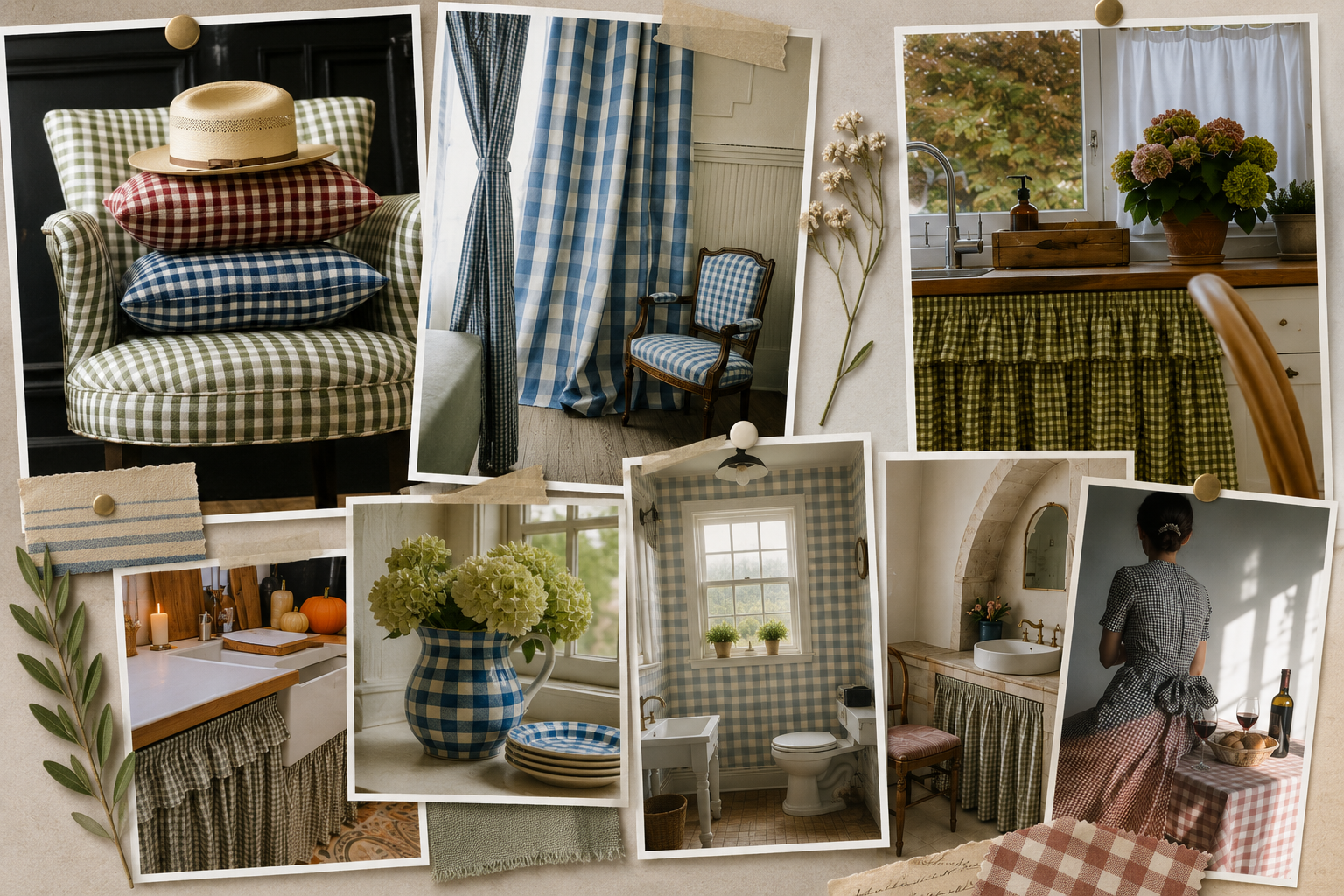
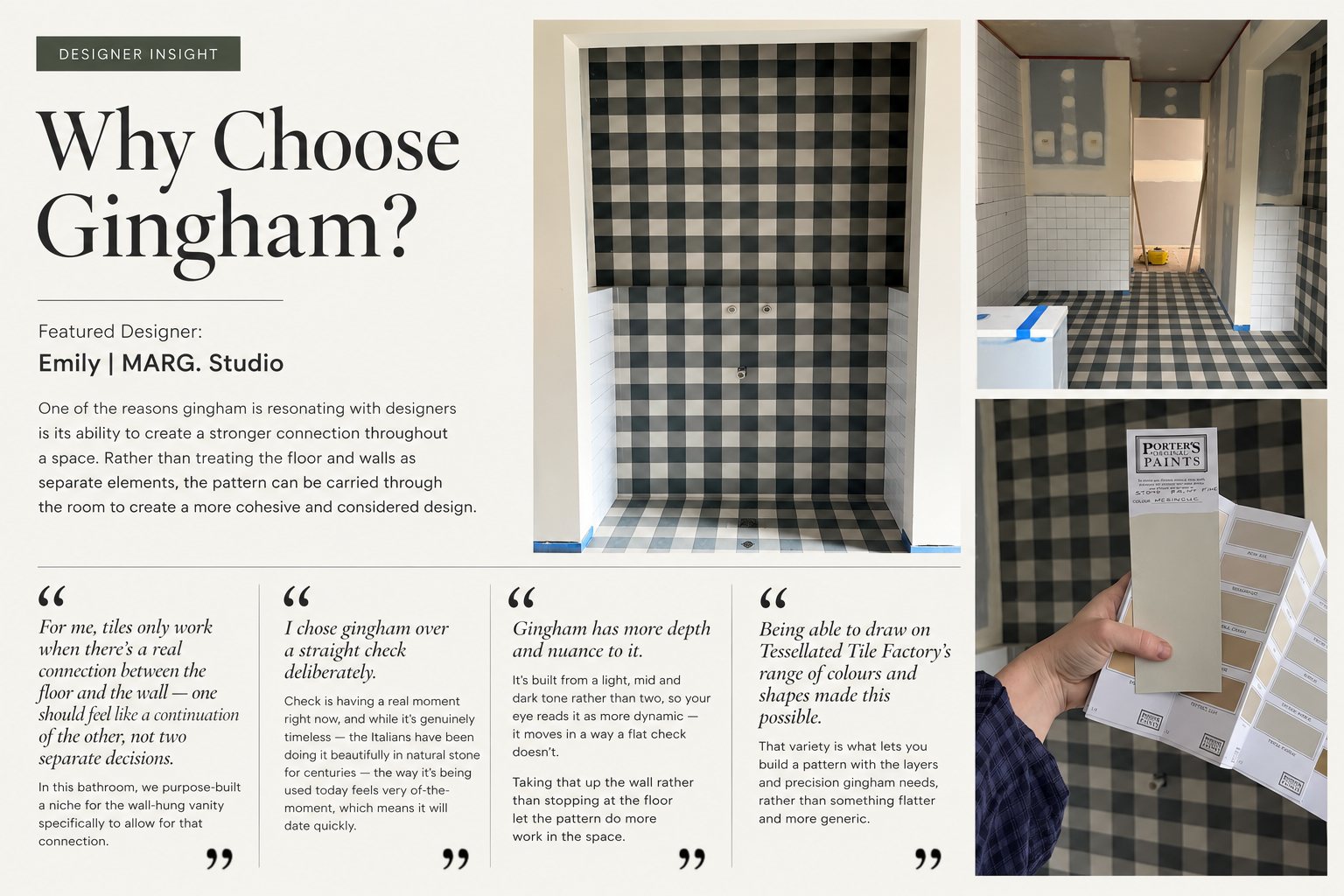
Recently, gingham has experienced a resurgence in
interior design. From kitchens and bathrooms to
furniture and textiles, designers are embracing
the pattern for its ability to bring
warmth, nostalgia and personality into a space.
Fashion has also played a role in its
revival, with Burberry’s Summer 2026 collection
showcasing fresh interpretations of heritage
checks through modern colour palettes. It is another
reminder that timeless patterns don’t need to be
reinvented – they simply evolve.

A Pattern Built on Geometry

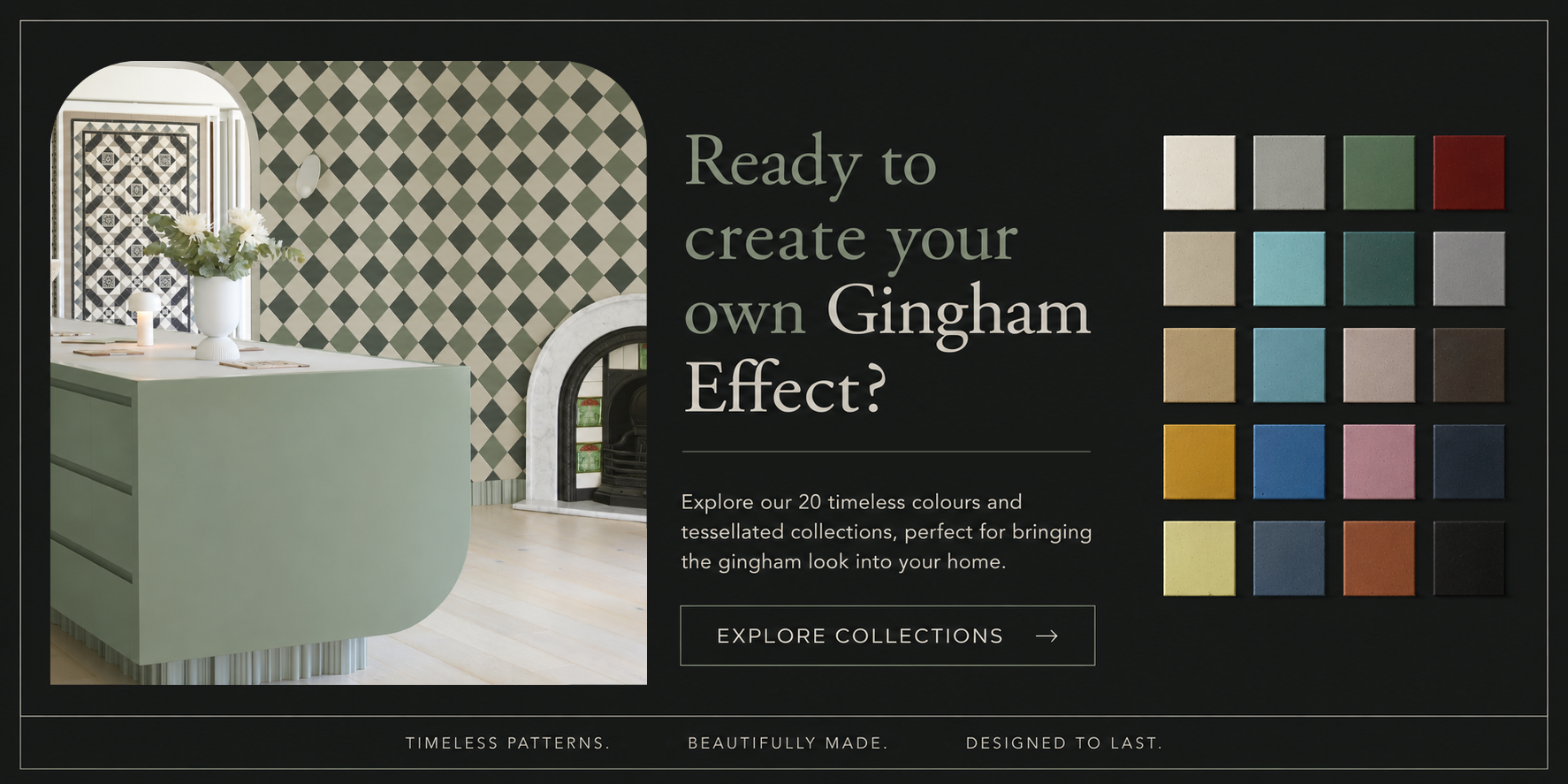
At Tessellated Tile Factory, this
renewed appreciation for gingham felt
instantly familiar. While the pattern
may be enjoying a moment in fashion
and interiors, the same geometric principles
have been celebrated in tessellated
flooring for generations.
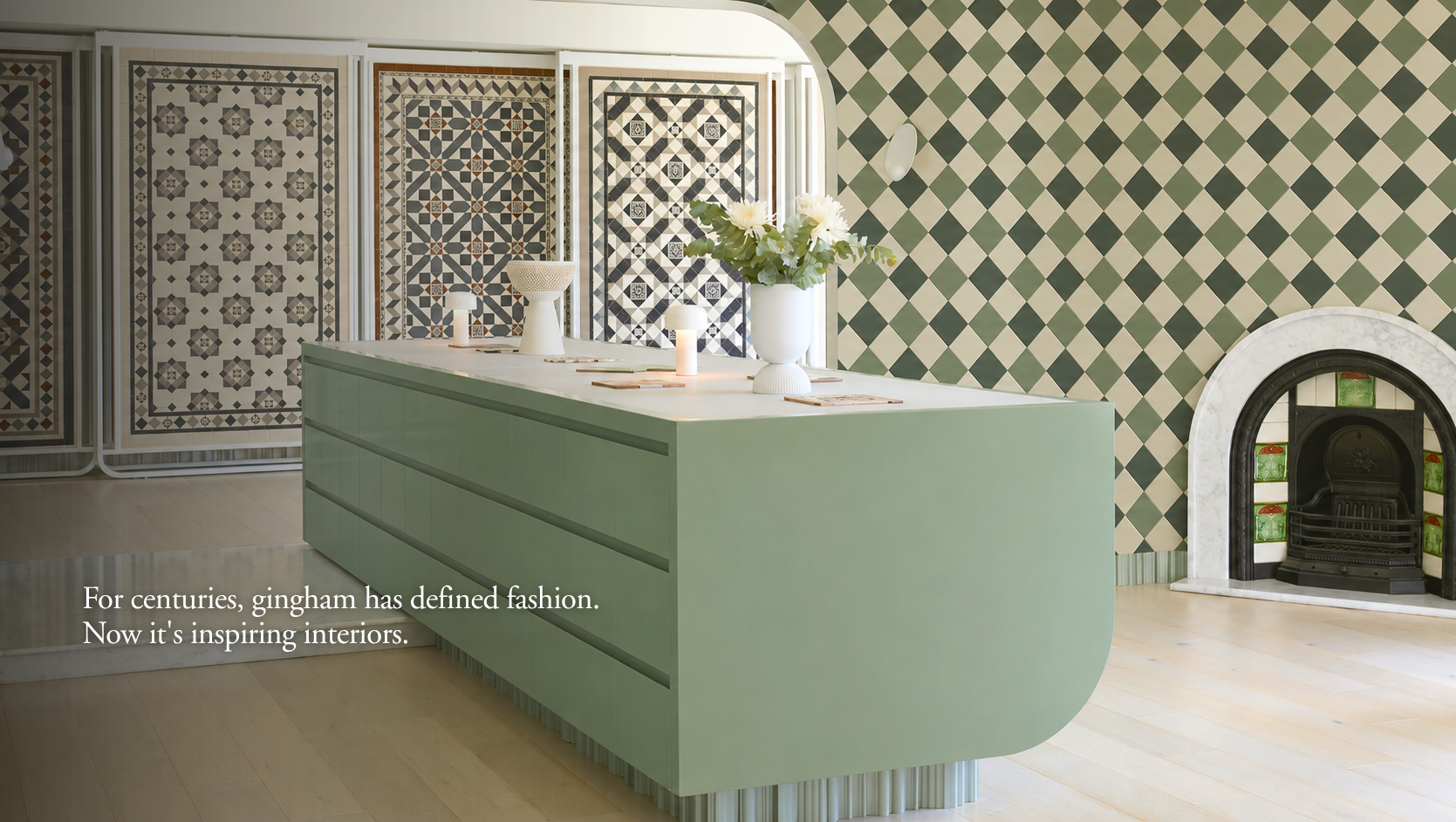
Long before gingham became a trend,
checkerboard floors were already a
defining feature of Victorian,
Edwardian and Federation homes.
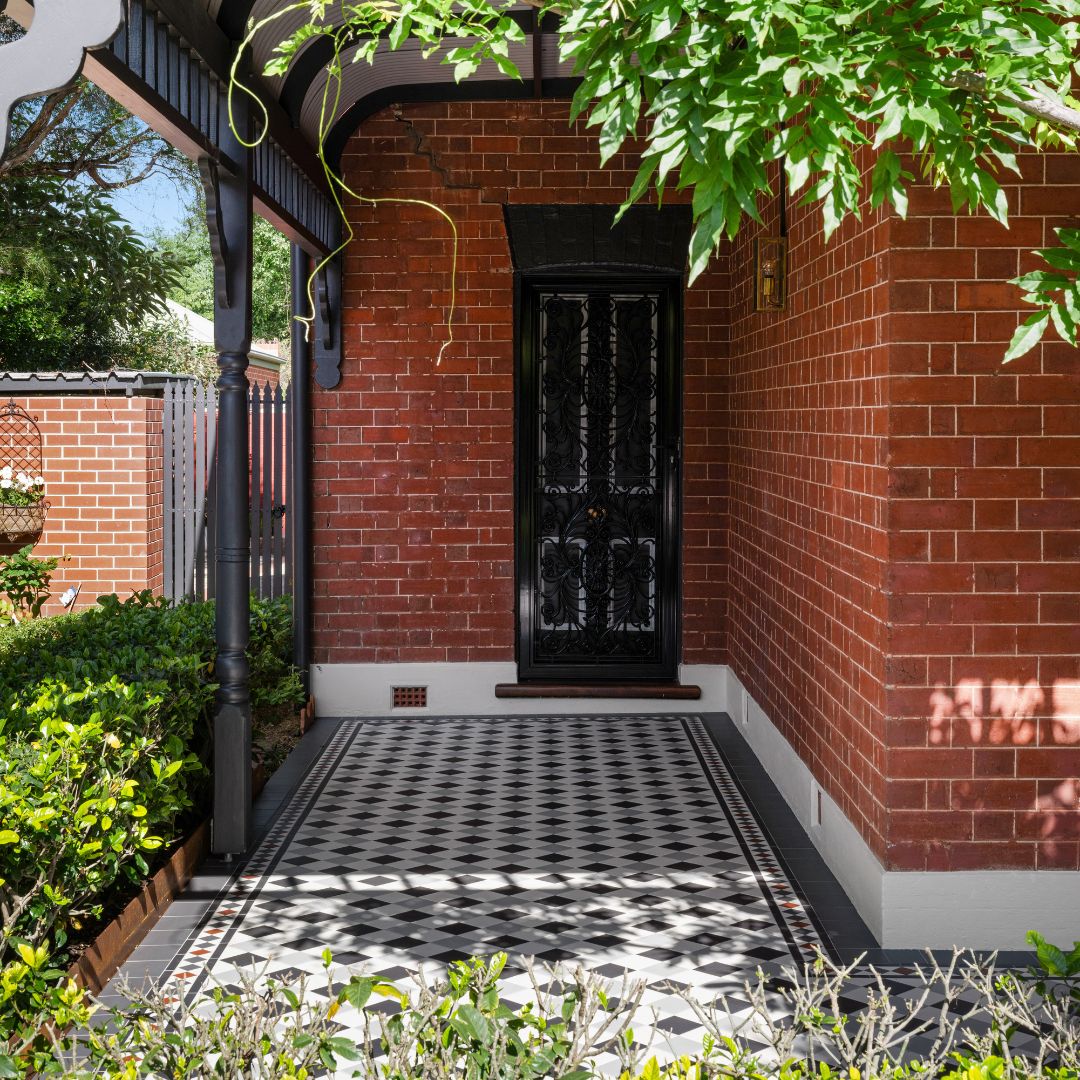
The connection between gingham and
tessellated tiles is surprisingly natural.
Every piece of gingham fabric is
created by weaving coloured threads
into a repeating grid. Tessellated Tiles
follows a similar philosophy, with
individual tiles carefully laid by hand
to create balanced geometric compositions.
Although the materials are different,
both rely on repetition, symmetry and
thoughtful colour combinations. It’s this
shared design language that makes gingham
feel perfectly at home in tessellated design.
Why Gingham Works in Tessellated Tiles
The beauty of gingham lies in its simplicity.
Rather than relying on intricate patterns or elaborate
decoration, it creates visual interest through rhythm,
proportion and contrast. These same principles have
defined tessellated flooring for more than a century.

Checkerboard layouts naturally guide the eye
across a space while creating a sense of balance
and movement. Whether interpreted through woven
fabric or handcrafted ceramic tiles, the result
is timeless. It proves that great design isn’t
defined by the material it is made from, but
by the principles behind it.