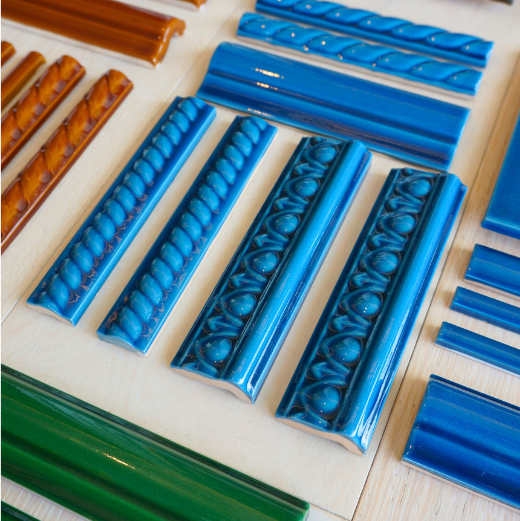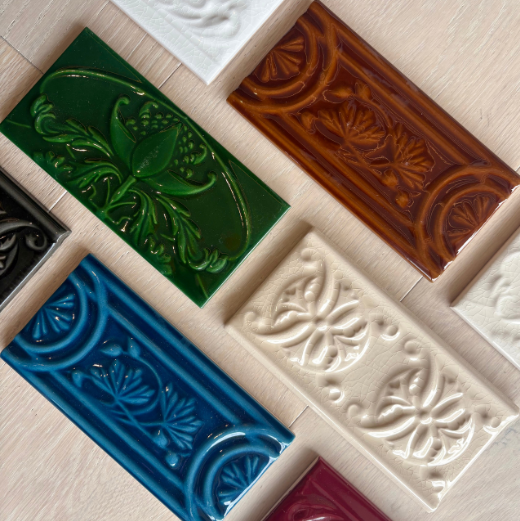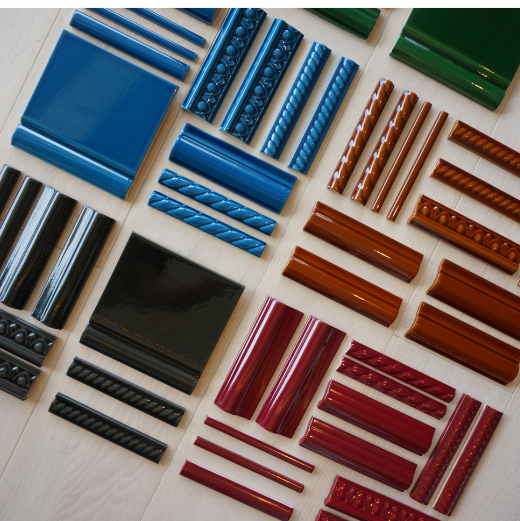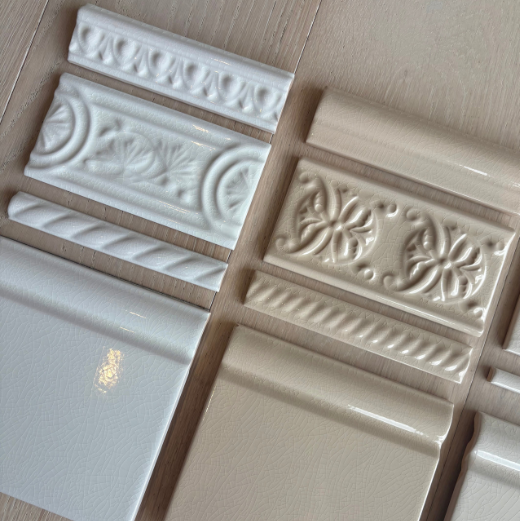

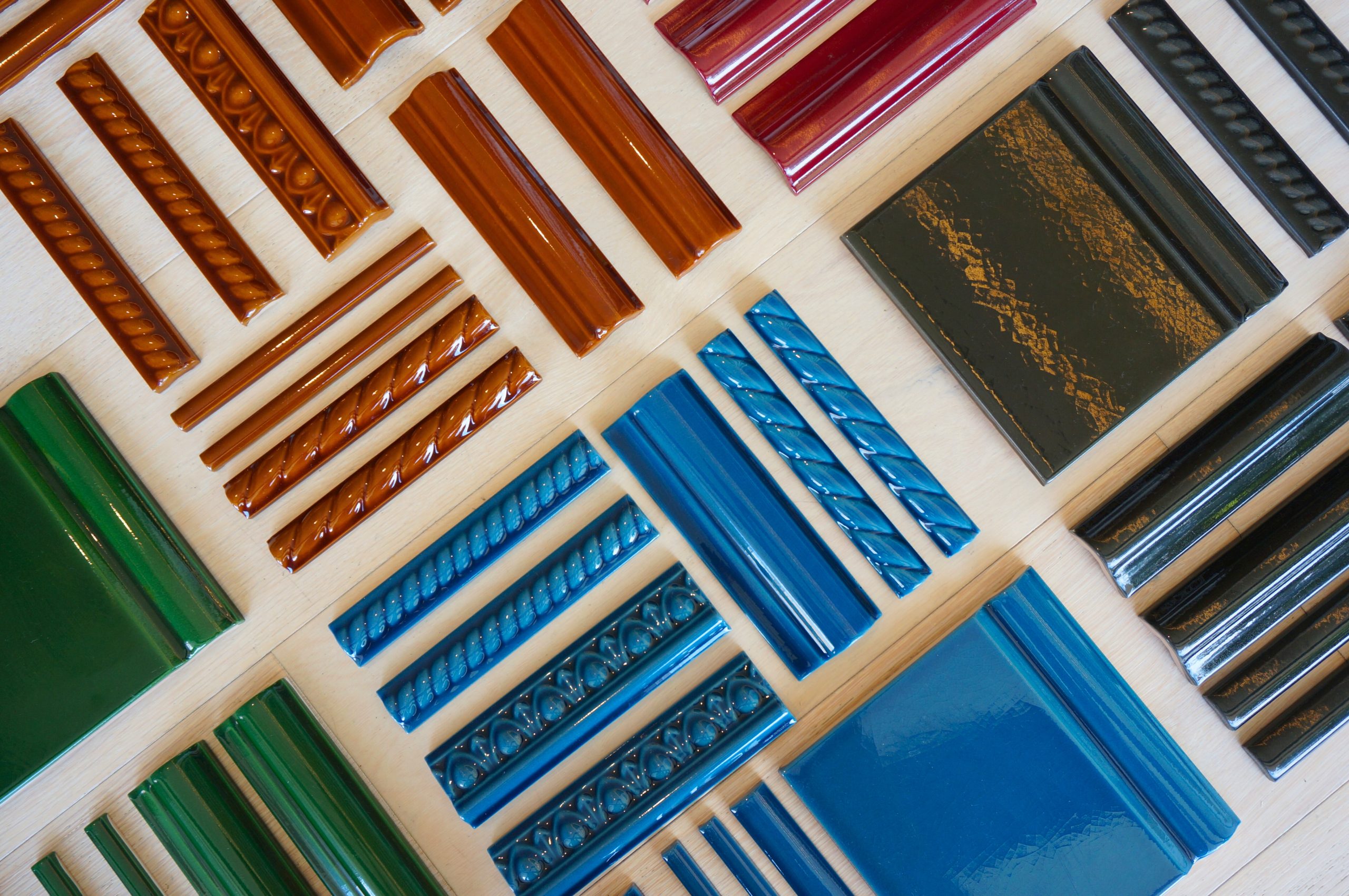
When it comes to tiling, the smallest details can make the biggest difference. Tile trims provide a seamless and polished finish, protecting edges and enhancing the overall look.
In this article, the team at Tessellated Tile Factory breaks down what trimming tiles are, the different types and how they can elevate your tile installations.
What are trimming tiles?
A trimming tile is a specialised piece designed to finish exposed edges or provide transitions between different surfaces. Without them, tile edges remain raw and vulnerable to chipping, moisture ingress and impact damage.
Beyond functionality, these pieces serve a critical aesthetic purpose. They mask uneven cuts and create a clean frame for the installation. Integrating the right tiles and trims ensures a professional result that meets recognised industry standards for durability, distinguishing high-quality craftsmanship from a standard project.
Types of tile trims and their uses
Selecting the correct profile depends on the installation’s location and desired visual impact.
-
Bullnose trims — These feature a rounded edge used to finish walls, skirtings and shower niches. They provide a soft, safe transition in high-traffic areas.
-
L-shape trims — These offer a minimalist finish and are perfect for modern designs requiring sharp, clean lines on splashbacks or floor transitions.
-
Skirting trims — Designed for the junction where the wall meets the floor. These create a curved transition that is easy to clean and often required in commercial wet areas.
-
Quarter round trims — Small, curved pieces used to soften 90-degree external corners. These are frequently used in traditional or heritage designs to add elegance.
How tile trims impact overall design aesthetics
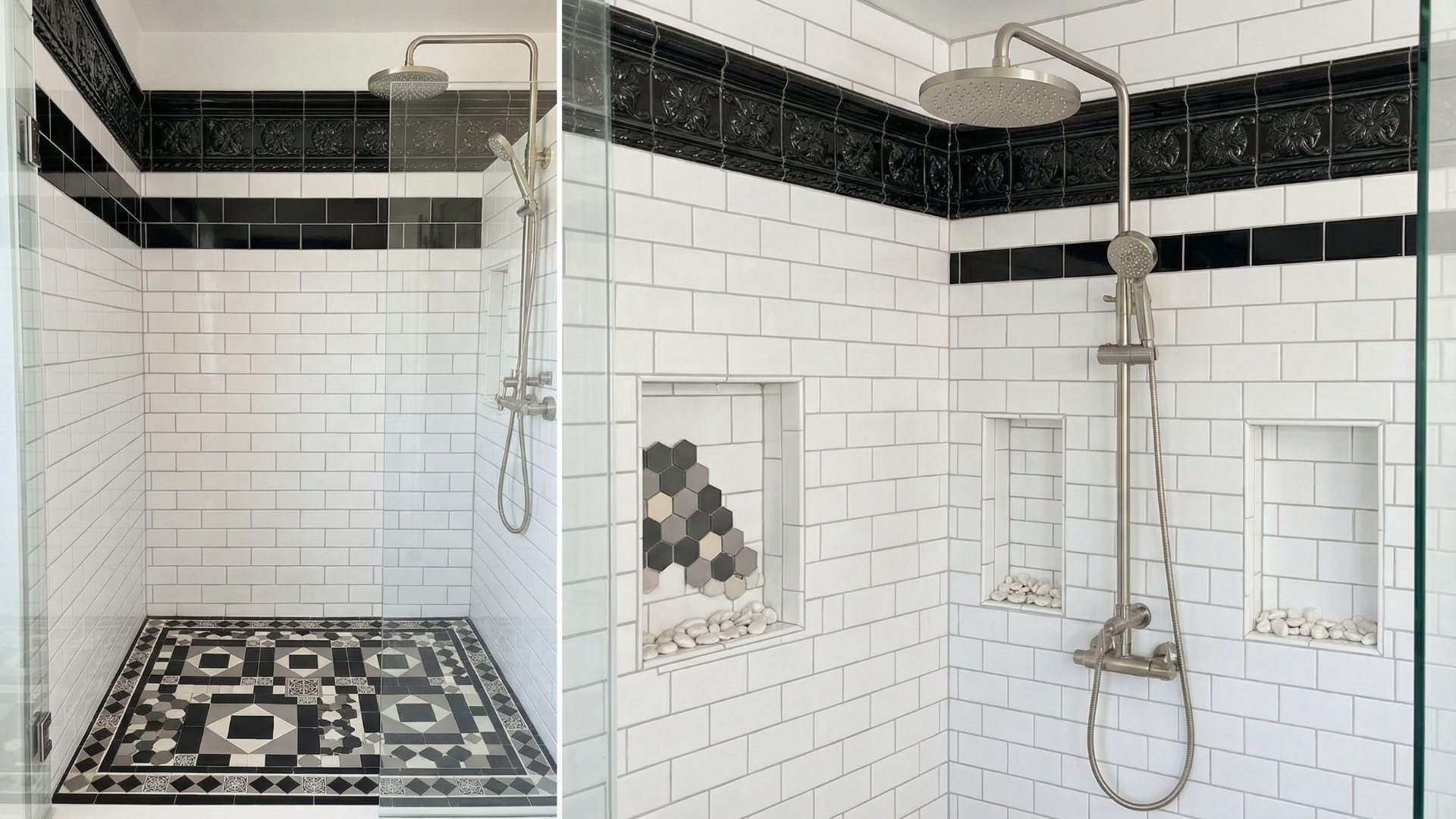
The aesthetic value of a trimming tile is significant. Trims allow you to define the geometry of a space. A contrasting colour can highlight a specific pattern or create a bold border, while matching the trim to the tile creates a continuous, monochromatic surface that makes small rooms appear larger.
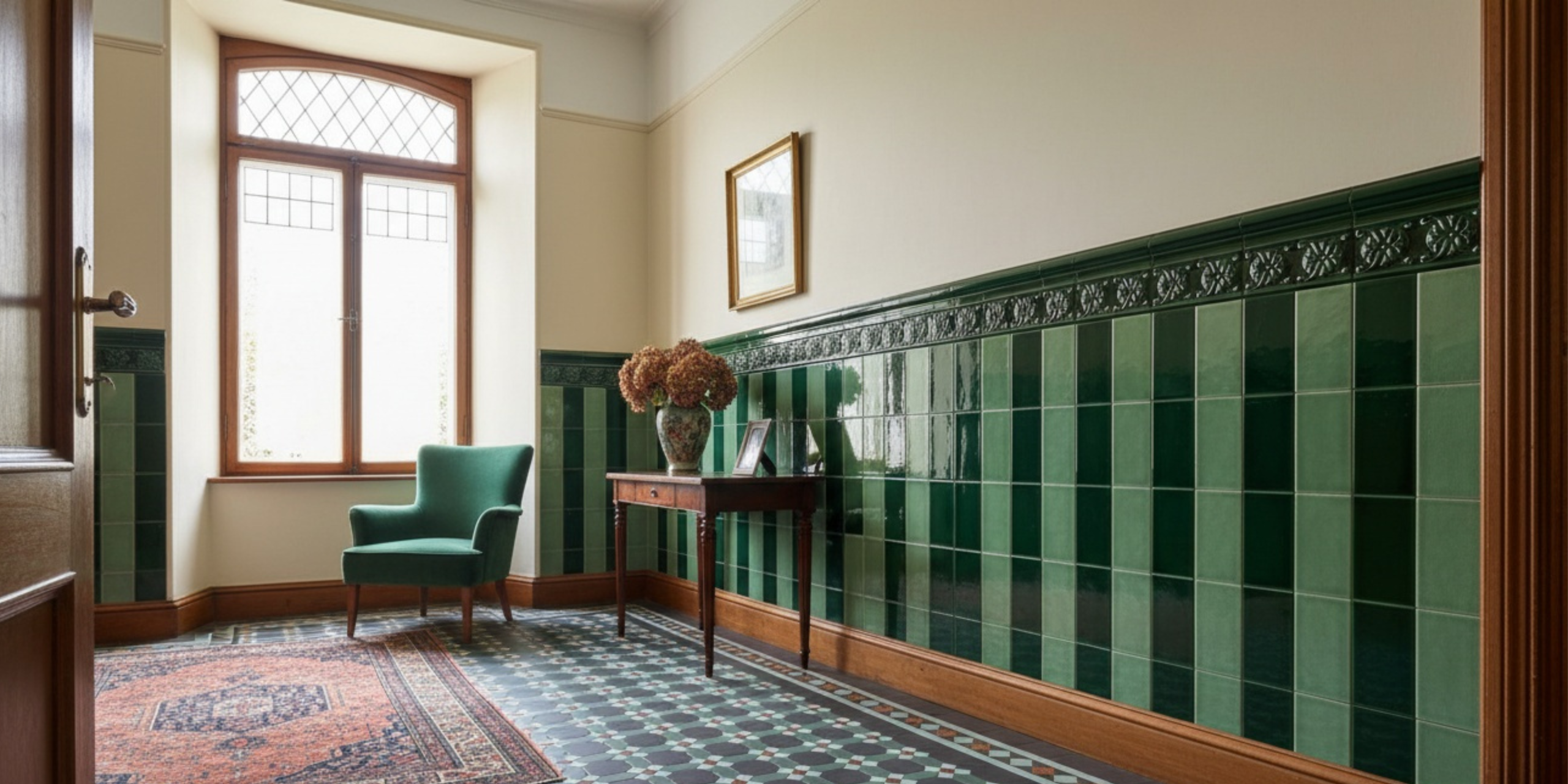
For heritage or tessellated projects, trims are essential for authenticity. They provide the necessary transition between intricate floor patterns and surrounding walls. By selecting from a quality trimming tile range, you ensure the finish complements the calibre of modern architectural design.
Best practices for installing tile trims
Precision during installation is key to a polished finish.
-
Check depth — Ensure the trim depth matches the combined thickness of the tile and the adhesive bed.
-
Mitre the corners — Cut trim corners at a 45-degree angle for a high-end, professional joint. This prevents overlapping and sharp edges.
-
Embed in adhesive — Trims must be bedded into the adhesive before the tiles are placed to ensure they are securely anchored and level.
-
Seal with grout — Pack grout into the gap between the tile and the trim to prevent moisture from compromising the installation.
Focusing on these details ensures your project remains durable while achieving a sophisticated, high-end look.
Experience expertise in every edge with the Tessellated Tile Factory’s quality tiles and trims